
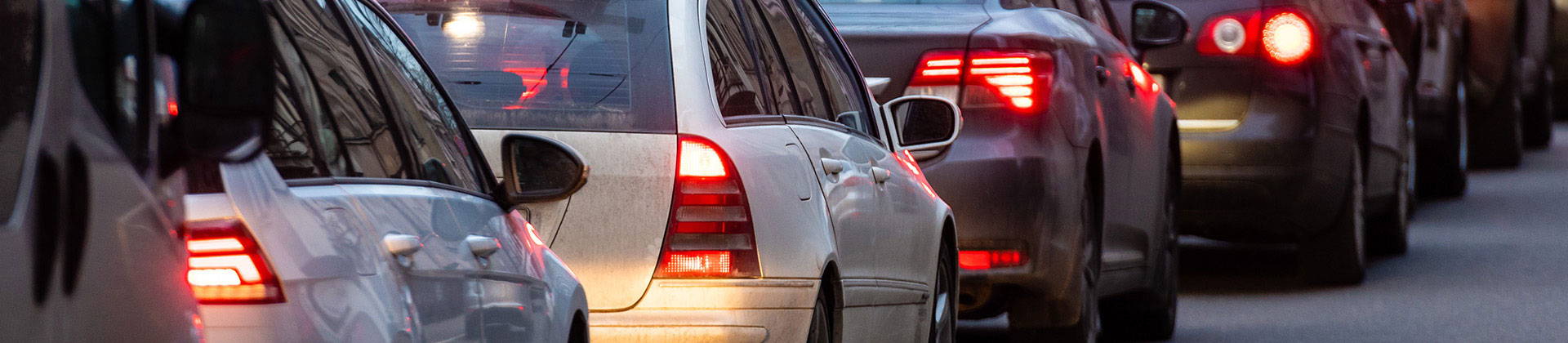

Advanced technology for analysing and optimising urban traffic is key to streamlining transport and improving mobility services. Collecting and processing detailed data on urban traffic allows cities not only to identify and resolve traffic jams in real time, but also to plan and optimise transport infrastructure with future needs in mind. These intelligent solutions contribute to smooth traffic flow, shorten travel times and increase residents' satisfaction with city services. Thanks to the application of intelligent technology, cities become not only safer and more comfortable to live in, but also more environmentally friendly thanks to reduced emissions caused by traffic congestion.
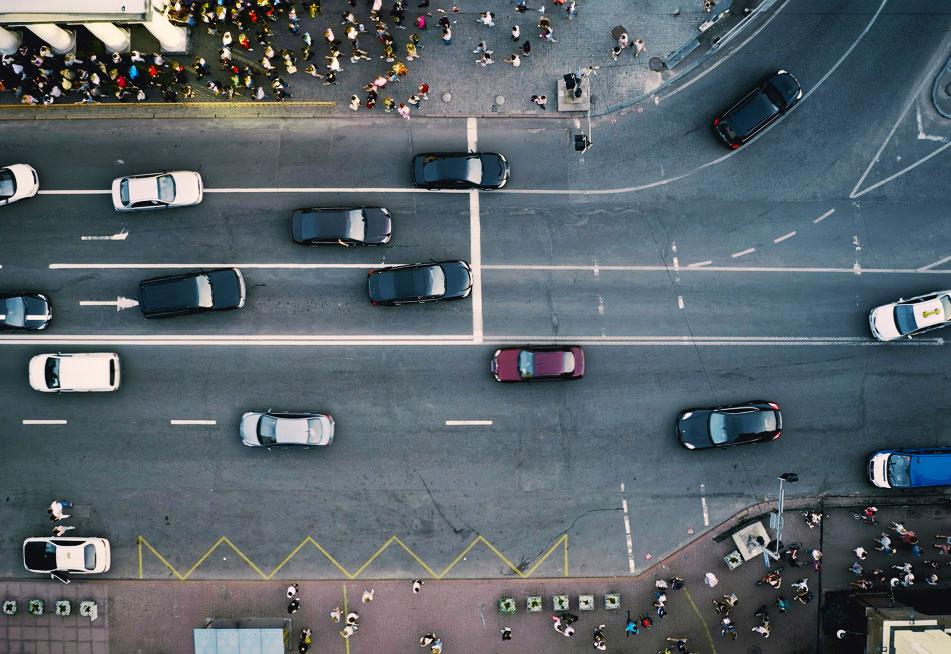
Implementing radar systems allows cities to collect accurate and up-to-date data on vehicle movement. This allows cities to accurately monitor vehicle speeds and the frequency of potential safety threats. This data is key for identifying traffic risks that can be immediately addressed, contributing to improved safety of urban traffic. Thanks to these systems, city departments can quickly and efficiently take preventive measures, such as increased monitoring by municipal police or modifications to transport infrastructure. This positively affects not only the safety of city transport, but also residents' comfort and safety.
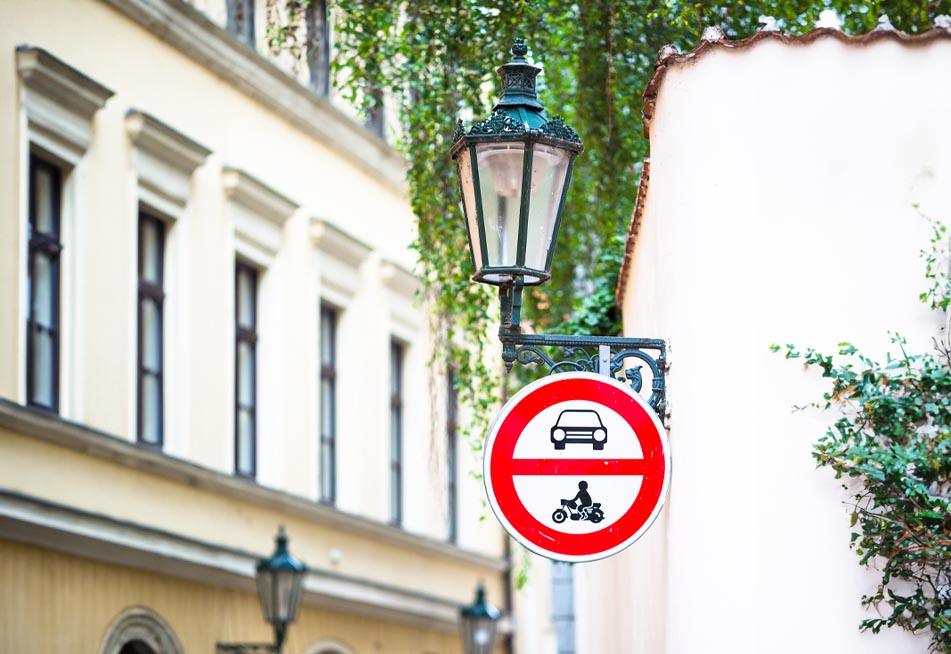
Our intelligent no-entry detection systems allow cities, premises and private entities to effectively monitor and evaluate traffic-sign violations in real time. Thanks to advanced computer vision and integration with camera systems, we can reliably identify vehicles entering prohibited zones, such as pedestrian zones or restricted-access zones. The municipal police receive immediate image notification directly on their phone and can intervene at once, stop the vehicle and issue a fine. The service thus protects sensitive city zones such as historical centres, parks, boulevards, pedestrian zones or low-emission areas, and prevents the entry of vehicles that have no business there. The result is a safer environment, less noise, cleaner air and preserved value of urban infrastructure.